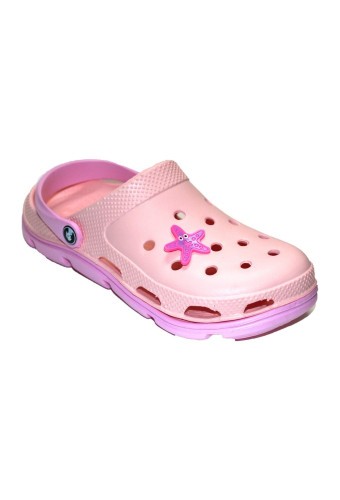
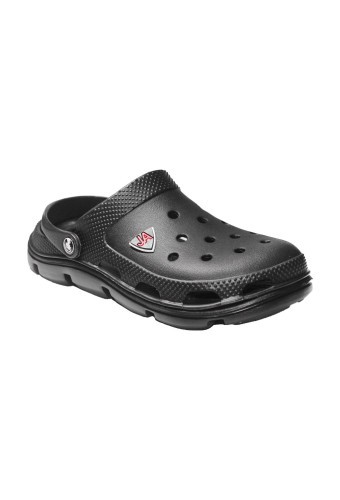
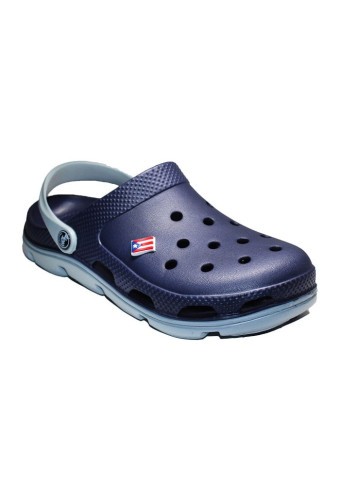
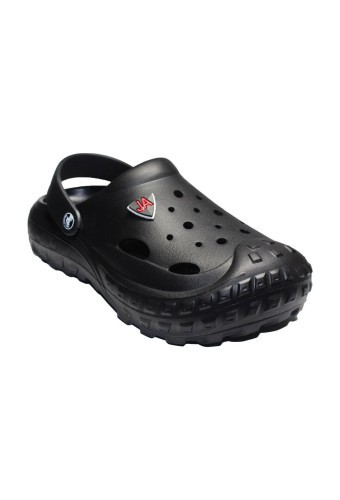
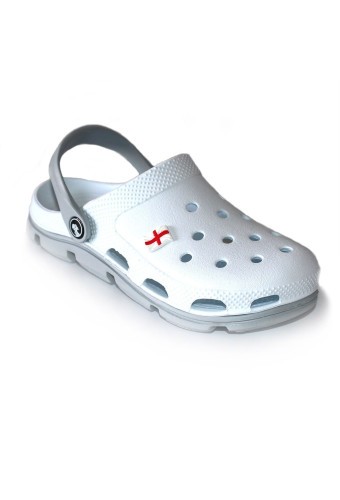
Working in the kitchen involves constant movement and the risk of slipping. Shoes for a chef Shoes should have non-slip soles, a comfortable fit, and be easy to clean. Our models are designed with HoReCa requirements in mind and are suitable for long shifts.
Choose the right model from our catalog and provide your team with high-quality professional footwear.
Why is regular footwear not suitable for working in a restaurant kitchen?
▼
Regular footwear is not designed for kitchen conditions such as slippery floors, constant movement, moisture, and grease. That is why footwear for chefs should have slip-resistant soles, moisture resistance, and provide comfort during long hours of wear. Using everyday shoes increases the risk of injury and rapid fatigue. This is why professional kitchen footwear is not just about appearance — it is a basic requirement for workplace safety and efficiency.
What type of sole is truly considered safe for kitchen work?
▼
The key factor is traction. High-quality slip-resistant kitchen footwear has a specially designed tread that provides grip even on wet or greasy floors. It is important to understand that not every shoe with a “textured sole” is actually suitable for kitchen work. Professional kitchen work shoes are designed for high-moisture environments and should provide stability during sudden movements and quick changes of direction.
Are Crocs for chefs suitable for a full kitchen shift?
▼
Crocs for chefs are a popular choice because they are lightweight and comfortable, especially during long shifts. They can work well in moderate conditions where ventilation and comfort are important. However, it is important to choose professional models specifically designed for kitchen use, with a closed toe, reinforced sole, and slip-resistant protection. Not all models provide the same level of safety, so footwear for chefs should be selected based on actual working conditions, not just comfort.
How do you choose kitchen footwear for employees who work 10–12 hour shifts?
▼
If shifts are long, HoReCa footwear should provide proper foot support and reduce strain on the legs and back. It is important that the shoes are not too rigid while still maintaining their shape and not compressing or collapsing over time. Weight also matters — footwear that is too heavy can cause fatigue more quickly. When choosing restaurant footwear, it is better to focus on models designed specifically for extended wear rather than short-term use.
What are the most common mistakes when choosing kitchen footwear?
▼
The most common mistake is focusing only on appearance or price. Many people decide to buy kitchen footwear without considering actual working conditions such as moisture levels, workload intensity, and shift length. Another common mistake is ignoring fit: even a high-quality model can be uncomfortable if it does not fit the foot properly. The importance of the sole is also often underestimated, even though it is one of the key factors that makes footwear for chefs safe to use.
How can you tell whether kitchen work shoes will last a long time?
▼
High-quality kitchen work shoes should maintain their shape, preserve sole traction, and withstand regular cleaning. Pay attention to the upper material, the quality of the connection between the sole and upper, and moisture resistance. If the footwear quickly deforms or loses traction, this directly affects safety. That is why, when you need to buy kitchen footwear, it is usually better to choose a more reliable model once rather than repeatedly replacing inexpensive options.
Is it possible to choose universal footwear for chefs that will work for the entire team?
▼
In practice, there is no truly universal solution because employees have different foot shapes, workloads, and personal preferences. However, it is possible to choose basic footwear models for chefs that suit most employees and meet the main requirements of a professional kitchen. If you are purchasing footwear for an entire team, it is better to test several options first and then order LuxForm footwear or other professional models in the required quantity. This reduces the risk that some employees will be unable to work comfortably in the selected footwear.