What fabric is best for restaurant uniforms used intensively every day?
▼
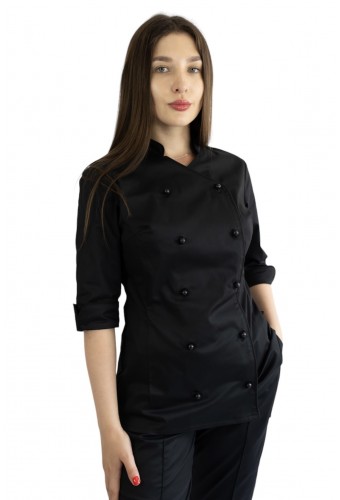
If you need truly practical restaurant uniforms, blended fabrics are usually a better choice than 100% cotton. An optimal option is a cotton-polyester blend: it holds its shape better, wears out more slowly, is easier to wash, and dries faster. In the kitchen, it is especially important for chef uniforms to be not only comfortable but also resistant to frequent washing, steam, grease, and high temperatures. For front-of-house staff, greater emphasis can also be placed on a polished appearance, but durability remains a basic requirement.
How should chef uniforms differ from uniforms for front-of-house restaurant staff?
▼
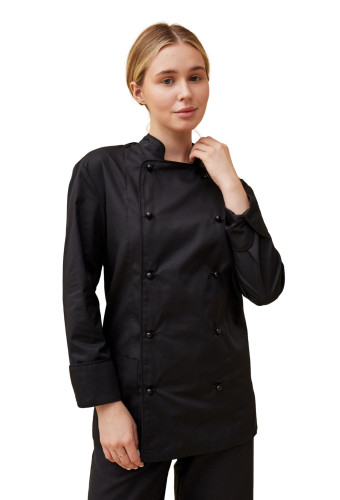
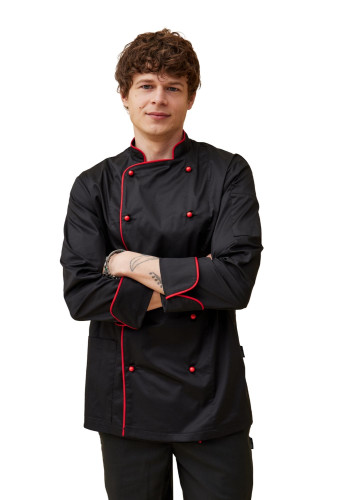
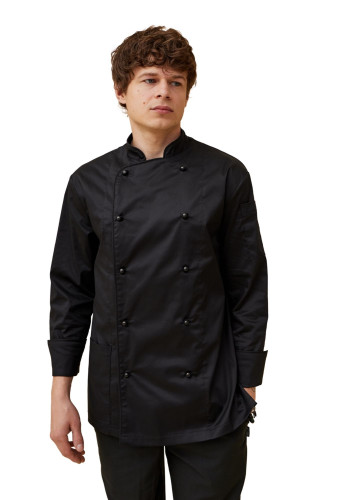
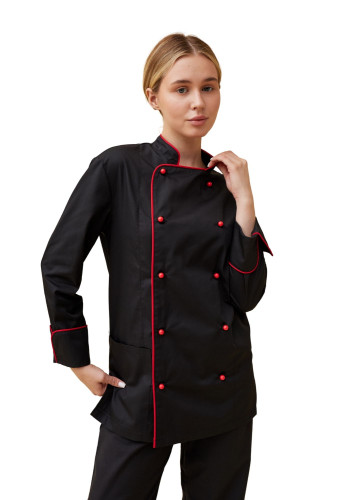
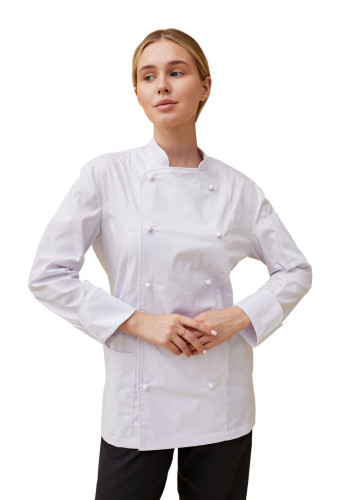
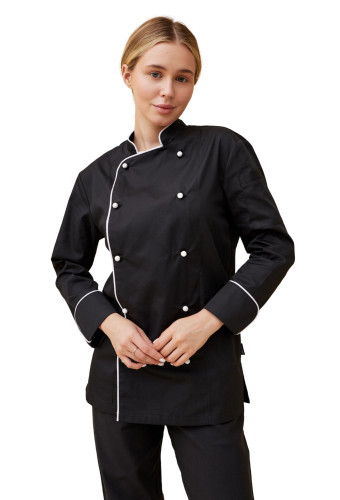
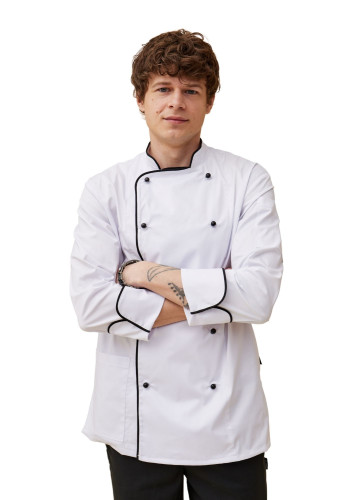
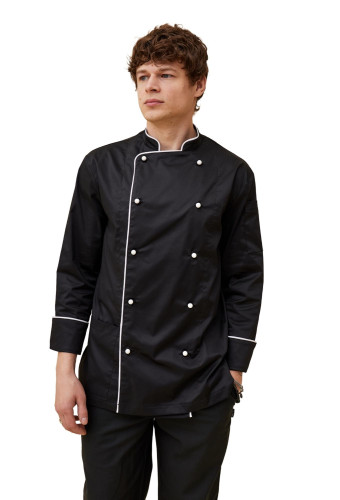
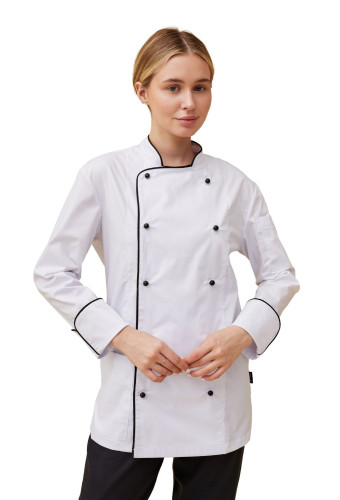
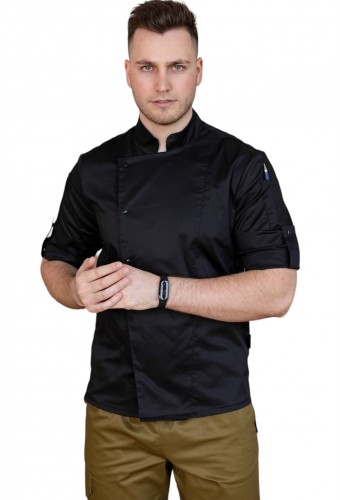
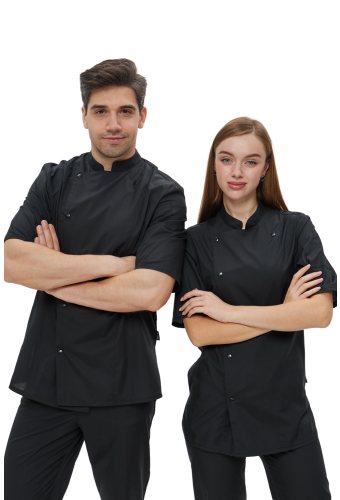
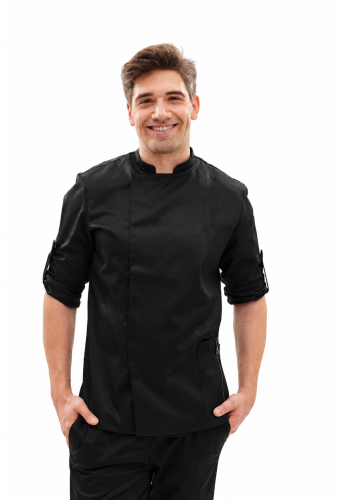
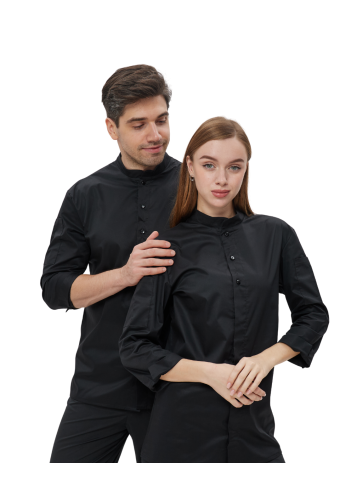
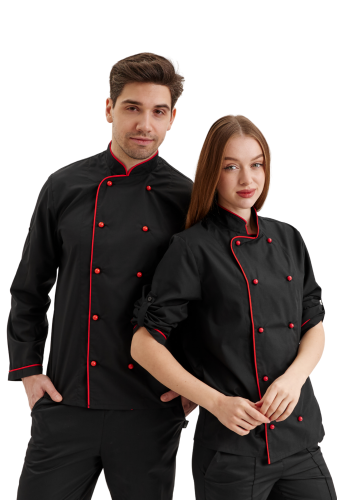
Chef uniforms and uniforms for restaurant staff serve different purposes, so the same approach does not work for both. In the kitchen, the priorities are safety, freedom of movement, practicality, and fabric resistance to stains and heavy use. For servers, managers, and hosts, a neat appearance, proper fit, and consistency with the restaurant's overall concept are more important. Well-designed HoReCa uniforms take into account the actual working conditions of each employee rather than focusing only on a shared brand style.
What should you consider when buying restaurant uniforms for the kitchen, bar, and dining area at the same time?
▼
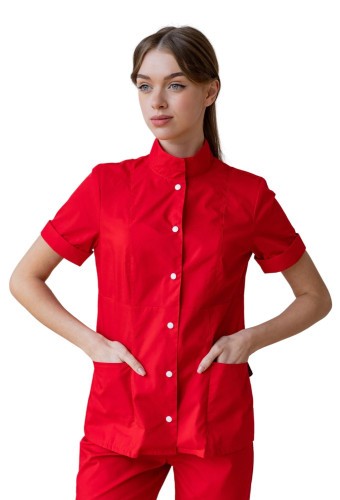
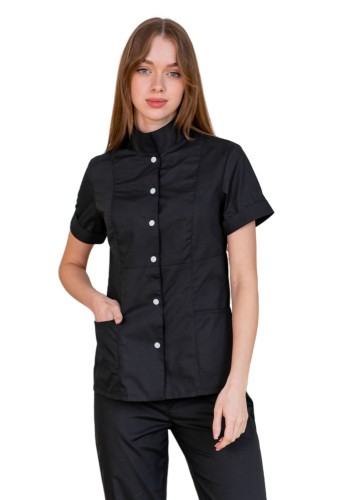
When you need to buy restaurant uniforms for several areas at once, it is important to look at the uniform system as a whole rather than selecting individual garments separately. First, define the overall style of the restaurant, then choose different uniform sets based on the needs of each department. For example, the kitchen requires more functional solutions, the bar requires comfort and freedom of movement, while the dining area requires a neat and visually consistent appearance. Good uniforms for a cafe or restaurant should visually unite the team while still allowing different employees to perform their work comfortably.
Why do inexpensive cafe uniforms often end up costing businesses more?
▼
At first, budget-friendly cafe uniforms may seem like a good way to save money, but in practice they often have the opposite effect. Fabric that is too thin can fade faster, lose its shape, and stop looking neat after only a few wash cycles. As a result, uniforms need to be replaced more frequently, and staff may begin to look less professional. For HoReCa businesses, this is particularly important because the appearance of the team directly affects the impression guests receive. That is why HoReCa workwear should be evaluated not only by its purchase price but also by its service life.
Should you add a logo to HoReCa uniforms, and when does it really make sense?
▼
Adding a logo to HoReCa uniforms makes sense when the brand already has a well-developed visual identity and the uniform is part of the overall image of the establishment. This is especially relevant for restaurants, cafe chains, hotels, and businesses with a recognizable concept. However, it is important not to overload the garments: a logo that is too large or poorly positioned can make the uniform look cheaper. If the goal is to buy restaurant uniforms with a strong branded look, it is better to focus on neat embroidery, appropriate colors, and details that complement the overall style rather than compete with it.
How can you tell whether restaurant uniforms actually fit the entire team rather than simply looking good in photos?
▼
Before buying restaurant uniforms in large quantities, it is important to check not only the design but also how the garments fit employees with different body types. The same style may look great in photos but be uncomfortable during actual work: it may pull across the shoulders, restrict movement, fit poorly at the waist, or quickly lose its shape around the knees and elbows. That is why high-quality uniforms for restaurant staff should be tested in motion, including bending, walking quickly, carrying trays, and working in the kitchen or dining area. This helps prevent costly mistakes when ordering a large batch.
What items should be included in a basic HoReCa workwear set for a new restaurant?
▼
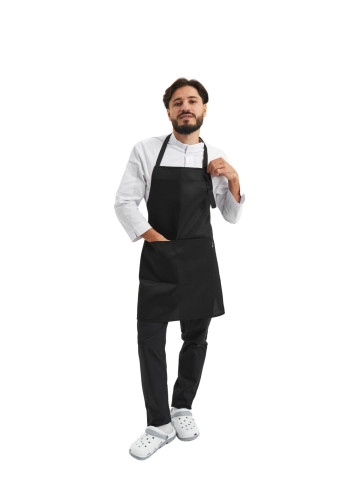
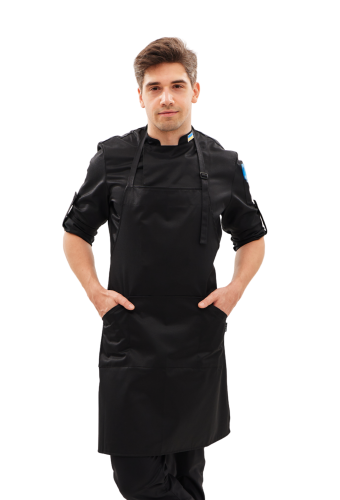
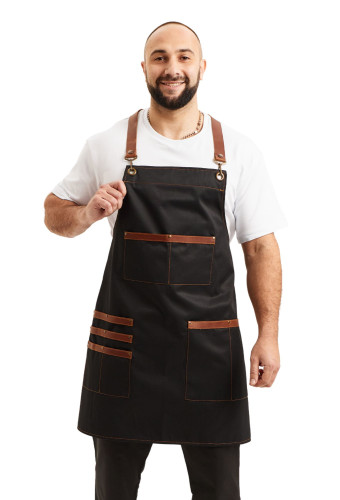
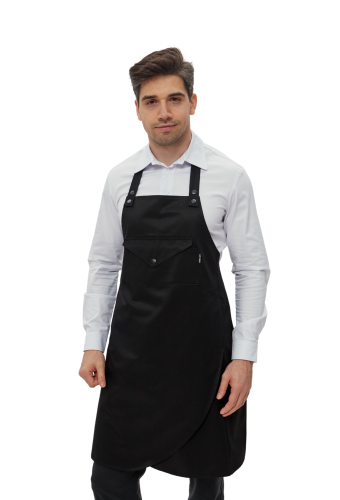
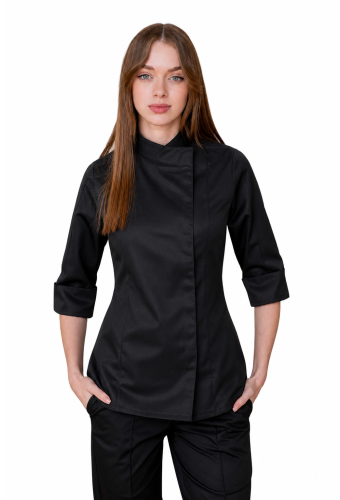
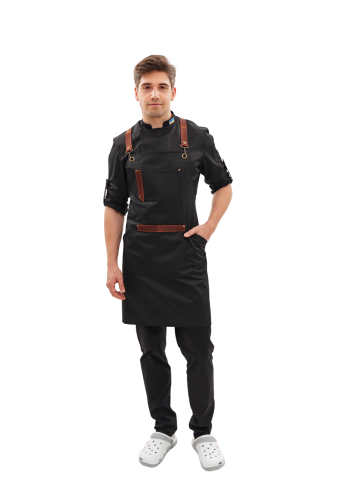
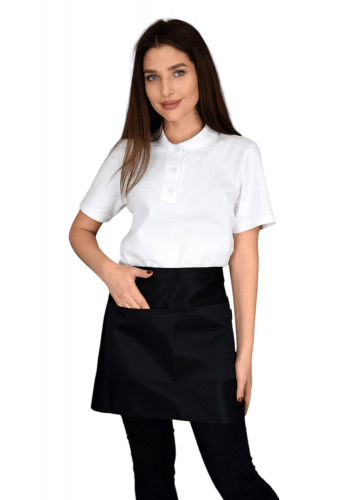
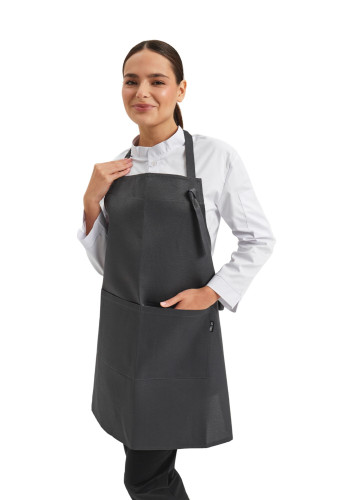
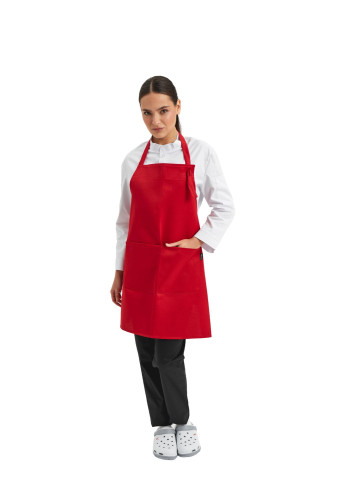
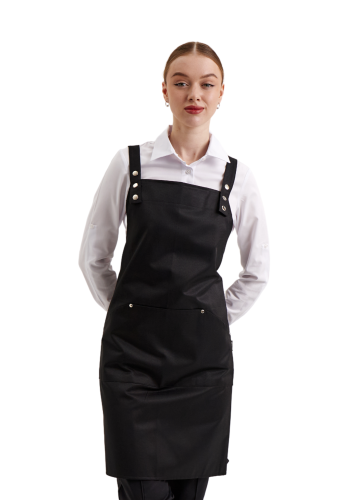
A basic HoReCa workwear set depends on the employee's role, but in most cases the essential items include a top, bottoms, and a protective or functional garment. For the kitchen, this usually means a chef coat, pants, and an apron; for front-of-house staff, it may include a shirt, pants or a skirt, as well as an apron or vest if required by the concept. If the restaurant is just opening, it is better to create a complete restaurant uniform system from the start rather than purchasing individual garments separately. This approach simplifies purchasing, maintains a consistent style, and makes it easier to outfit the entire team quickly and efficiently.