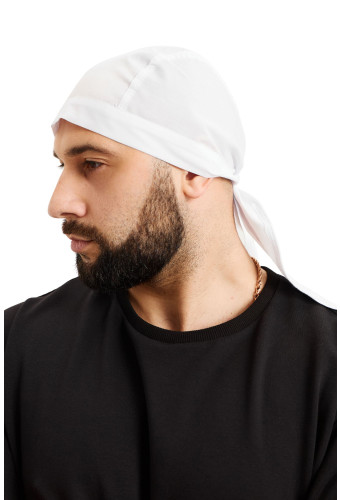
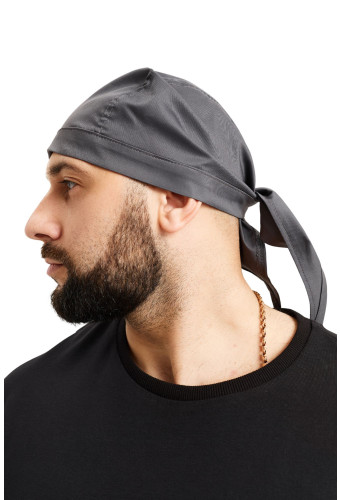
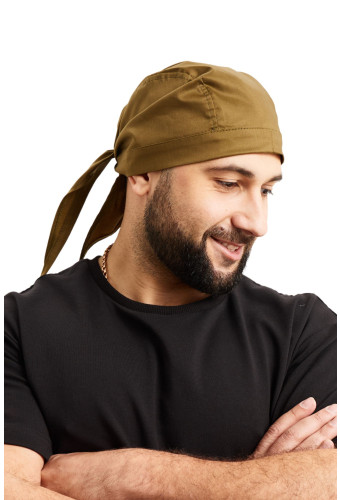
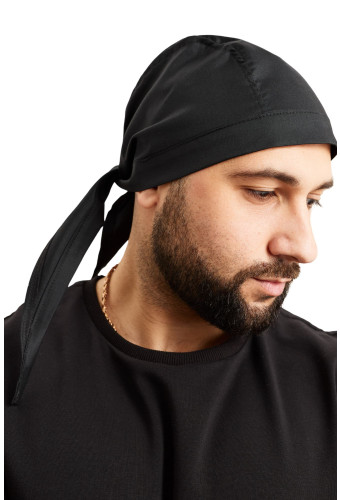
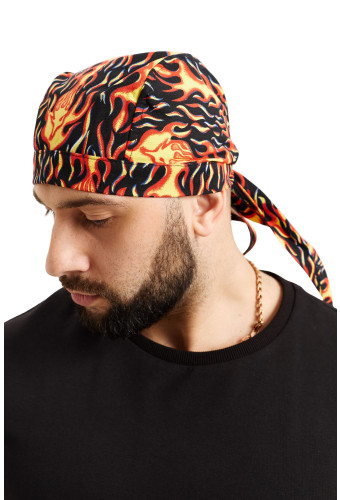
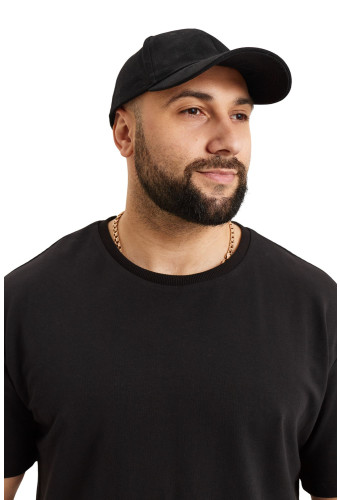
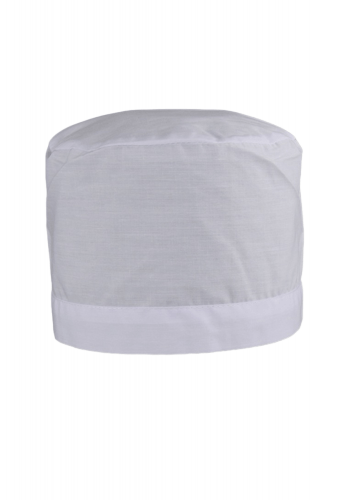
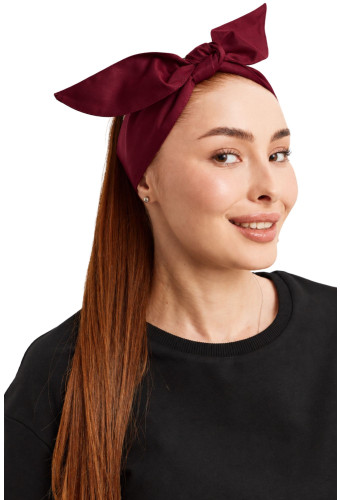
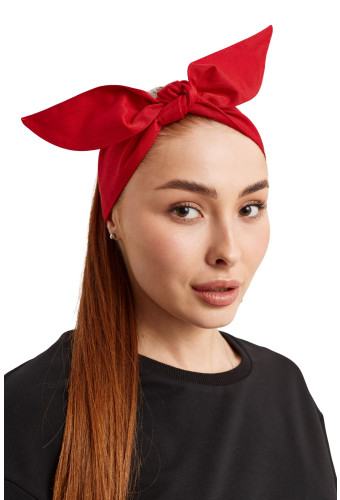
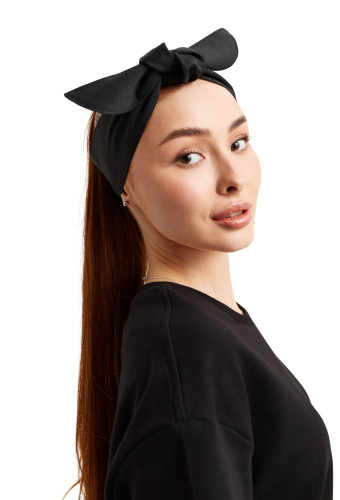
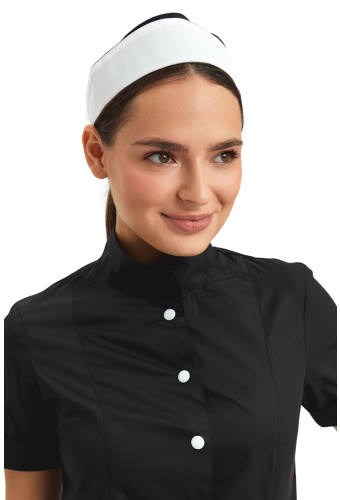
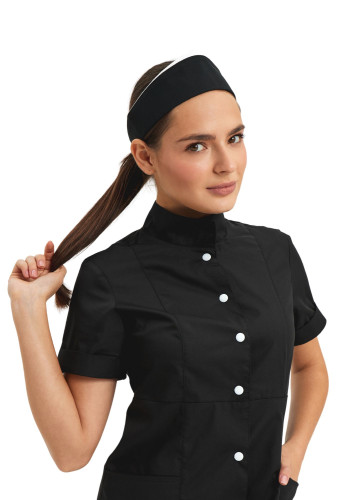
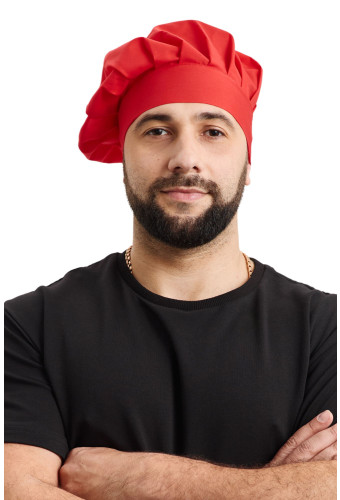
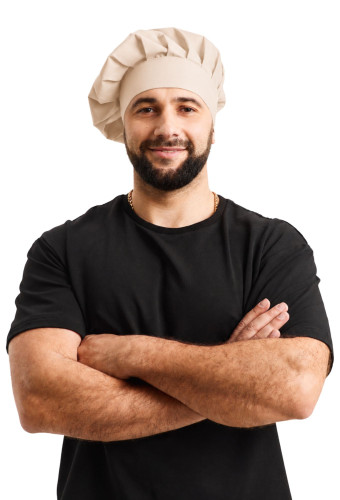
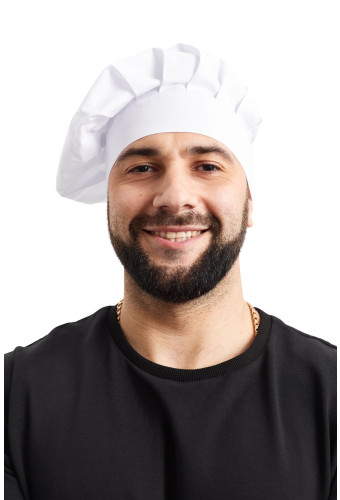
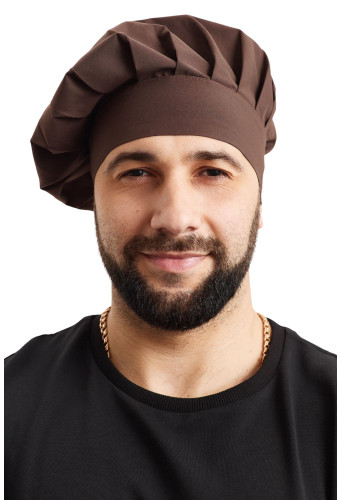
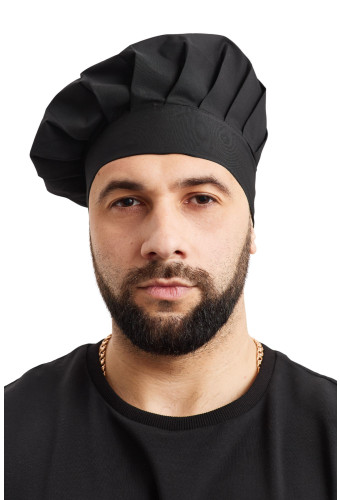
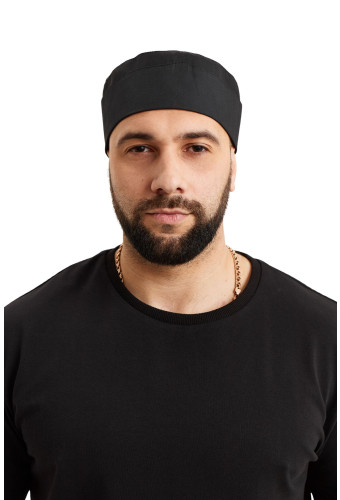
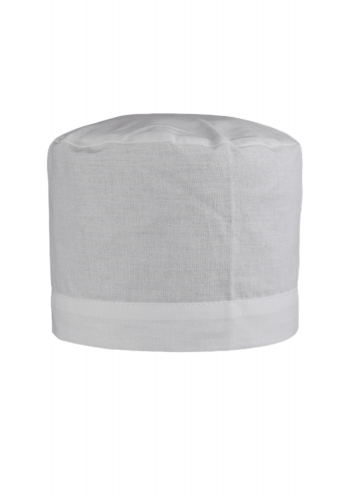
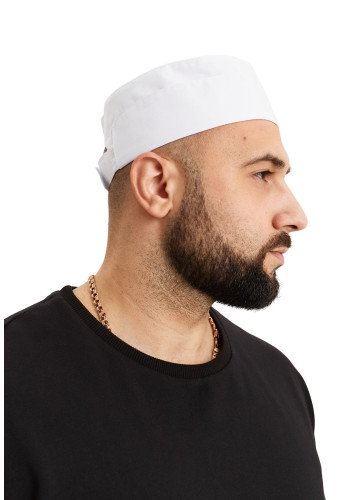
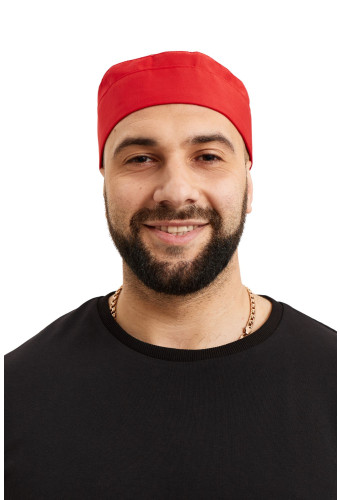
It is important to maintain cleanliness and safety standards in the kitchen. Chef's hat Prevents hair from getting into your food and completes your professional look. We create designs that combine comfort and practicality.
Choose a ready-made model or order a custom-made uniform with your logo—we'll create a uniform that matches your brand's style.
Why are chef head coverings required in a professional kitchen?
▼
Chef head coverings are not just part of the uniform — they are also an important hygiene requirement. They help prevent hair from getting into food, maintain cleanliness during the work process, and support compliance with sanitary standards. At the same time, a properly selected chef head covering should be both functional and comfortable, allowing employees to wear it throughout the entire shift without discomfort.
What is the practical difference between a chef toque and a chef cap?
▼
A chef toque is more often used as a classic uniform element, especially in restaurants with traditional presentation or open kitchens. It creates a more formal and professional appearance. A chef cap, on the other hand, is generally more practical: it is more compact, stays securely in place, and is more comfortable for long working hours. The choice depends on the restaurant concept and kitchen requirements, but both options are considered basic kitchen headwear.
When is a chef bandana more comfortable than a traditional chef toque?
▼
A chef bandana is often used in kitchens with high temperatures and intensive workloads. It fits closely to the head, stays securely in place, and does not slip during movement. This makes it convenient for employees who are constantly moving and working at a fast pace. Compared with traditional chef toques, a bandana provides greater freedom and comfort, especially in hot working conditions.
How do you choose kitchen headwear that stays comfortable throughout the entire shift?
▼
Comfort depends on the fabric, fit, and how securely the headwear stays in place. Good chef head coverings should allow airflow, avoid excessive pressure, and help prevent overheating. If the material is too heavy or does not breathe well, employees can quickly become uncomfortable. That is why kitchen conditions should be considered when choosing headwear, including temperature, workload, and shift length. High-quality kitchen uniforms should always include comfortable and properly selected headwear.
Can kitchen headwear feature a logo, and when does it make sense?
▼
Headwear with a logo is appropriate for establishments where brand identity and visual team recognition are important. This is especially noticeable in open kitchens or businesses with a strong brand concept. However, the logo should be subtle and should not visually overwhelm the item. If the uniform is part of the overall concept, LuxForm headwear or similar branded solutions can strengthen the kitchen's visual identity and improve brand recognition.
What mistakes are commonly made when choosing chef headwear for a team?
▼
One of the most common mistakes is choosing headwear based only on appearance while ignoring comfort. If a chef cap does not stay securely in place or constantly slips, the employee will keep adjusting it or may be reluctant to wear it. Another mistake is choosing one universal size without considering differences within the team. Chef headwear should be selected so that it fits different employees comfortably and does not interfere with their work throughout the shift.
How many chef head coverings does each kitchen employee need?
▼
As with other uniform items, each employee should have at least 2–3 pieces. One is worn at work, the second can be in the wash, and the third serves as a backup. This is especially important because chef head coverings need to be changed regularly to maintain proper hygiene. If the kitchen operates every day, it is better to provide a sufficient quantity from the start to avoid shortages and keep the uniform clean.